



Best Jump Rope for Beginners (3 Types That Make Learning Easier)

If you’re new to jump rope, the biggest mistake people make is starting with the wrong rope.
Many beginners assume they should start with a cheap, ultra-light speed rope. In reality, those ropes are designed for experienced athletes doing double unders and high-speed tricks.
For learning the fundamentals (timing, rhythm, and coordination) beginners usually do far better with ropes that provide feedback, structure, and guidance.
The three types of jump ropes that help beginners learn fastest are:
-
Weighted jump ropes
-
Ropeless jump ropes
-
Smart jump ropes with guided training
Below we’ll break down what makes each one useful and which Crossrope options fit best. TL;DR: Best Jump Ropes for Beginners
- Weighted ropes (~½ lb) help develop rhythm
- Ropeless ropes eliminate tripping frustration
- Ropeless jump ropes eliminate tripping and help build timing
- Smart ropes add guidance and workout structure
What Makes a Jump Rope Beginner-Friendly?
Before choosing a rope, it helps to understand what actually makes a rope easier to learn with.
A good beginner jump rope should have:
1. Clear feedback during each rotation
Heavier ropes give you a better sense of where the rope is in space, which makes timing easier to learn.
2. Smooth, consistent rotation
Cheap ropes often twist, drag, or rotate unevenly.
3. The ability to progress as you improve
The best beginner ropes don’t just help you start. They allow you to gradually increase intensity as your coordination improves.
4. A forgiving learning experience
Beginners will trip, mistime jumps, and break rhythm. A rope that helps you recover quickly keeps workouts enjoyable.
Read more: 10 Powerful Benefits of Jump Rope Training
The 3 Best Types of Jump Ropes for Beginners
1. Weighted Jump Ropes (Best for Learning Rhythm and Coordination)
For most beginners, a weighted rope is the easiest way to learn jump rope.
The extra weight provides clear physical feedback as the rope moves through the air, helping new jumpers develop timing much faster.
Instead of guessing when to jump, you can feel the rope’s rhythm.
This is why many coaches and trainers recommend starting with ropes around ½ lb rather than ultra-light speed ropes.
Why weighted ropes help beginners
- Easier to feel the rope turning
- Better rhythm and timing development
- Increased upper-body engagement
- More satisfying workouts even at slower speeds
A moderate weight like ½ lb is often the sweet spot: heavy enough for feedback, but light enough for longer workouts.
Recommended Crossrope Sets for Beginners

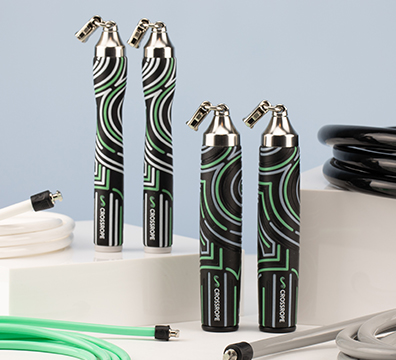
Get Lean Set
Includes lighter weighted ropes that make it easy to build rhythm and progress gradually.

AMP Set
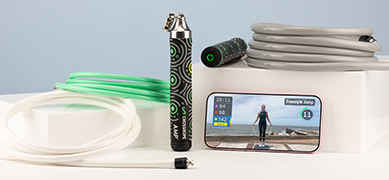
Adds smart tracking and guided workouts, which can accelerate learning.

Get Fit Bundle
Offers multiple rope weights, allowing beginners to progress as their coordination improves.
These sets are designed around progression, which is one of the biggest advantages beginners can have.
Read more: How to size your wighted jump rope
2. Ropeless Jump Ropes (Best for Learning Timing Without Trip-Ups)
Sometimes the best jump rope for a beginner isn’t a rope at all.
Ropeless jump ropes simulate the movement of jumping rope while removing the biggest frustration for beginners: tripping on the rope.
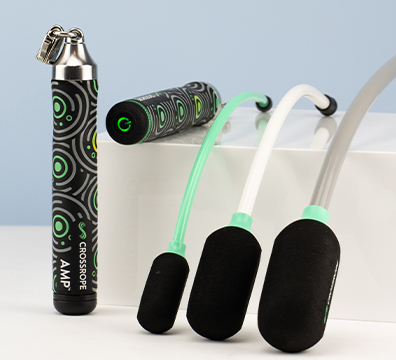
Instead of a full rope, Ropeless use weighted attachments that rotate around your body.
This allows beginners to:
- Practice timing and rhythm
- Learn the jump rope motion
- Build conditioning
- Avoid constant interruptions from missed jumps
Ropeless ropes are also great for small spaces, travel, or crowded gyms.
Many beginners use Ropeless ropes to build confidence before transitioning to full rope workouts.
Recommended Crossrope Ropeless Options

Get Lean Ropeless Set
A great entry point for beginners learning rhythm and cadence.

AMP Ropeless Set
Adds smart tracking and guided workouts, helping beginners stay motivated and structured.
Ropeless systems can dramatically reduce the early frustration that causes many beginners to quit.
3. Smart Jump Ropes (Best for Structure and Motivation)
One of the biggest challenges beginners face isn’t learning the motion: it’s knowing what to do each workout.
Many beginners believe that a jump rope workout requires long intervals of continuous jumping and are concerned that they cannot jump for long enough to actually get a good workout. In reality, the best jump rope workouts for beginners (and even experienced jumpers) incorporate short intervals.
Smart jump ropes solve this by combining jump rope hardware with guided workouts, performance tracking, and progression plans.
This structure can make a huge difference for beginners who want:
- Clear workouts
- Progress tracking
- Motivation through measurable improvement
- Workouts they’re actually able to complete

Smart rope systems often track metrics like:
- jump count
- workout duration
- calories burned
- training streaks
For beginners, this type of feedback can turn jump rope into a structured fitness program instead of just random exercise.
Recommended Crossrope Smart Options

AMP Ropeless SetProvides the same smart training system with the flexibility of ropeless training.
These systems help beginners stay consistent, which is ultimately the most important factor for progress.
Need help deciding? Take our "Find Your Set" Quiz for your personalized recommendation.
Jump Ropes Beginners Should Be Careful With
Not every jump rope is beginner-friendly. In fact, some of the most common ropes sold online can actually make learning harder.
Ultra-Light Speed Ropes
Designed for advanced athletes doing high-speed double unders. Beginners often struggle to feel the rope timing.
Cheap Cotton Ropes
These drag due to air resistance from the lightweight material making timing very difficult and often causing beginners to learn improper and inefficient techniques.
Ropes without bearings
Many styles of ropes without bearings twist and tangle making consistent jumping nearly impossible and maximizing frustration.
Beginner Decision Guide
| Beginner Goal | Best Rope Type |
|---|---|
| Learn rhythm quickly | Weighted rope |
| Avoid tripping | Ropeless rope |
| Follow structured workouts | Smart Rope |
Cheap vs Premium: Why Quality Matters for Beginners
Many beginners assume they should start with the cheapest rope possible. But cheap equipment often creates a frustrating learning experience.
Higher-quality ropes provide:
- smoother rotation
- better weight balance
- more durable materials
- the ability to progress as skills improve
For beginners, the right equipment can make the difference between sticking with jump rope or quitting after a week.
Why beginners struggle with light ropes
Ultra-light speed ropes spin very quickly and provide almost no feedback. Beginners often struggle with timing because they cannot feel where the rope is during each rotation.
Weighted ropes slow the rotation and provide clearer rhythm cues, which helps beginners coordinate their jumps faster.
How to Choose Your First Jump Rope
If you're just starting out, here’s a simple approach:
• Want the easiest way to learn rhythm → Weighted rope
• Want zero frustration while learning timing → Ropeless rope
• Want structured workouts and motivation → Smart rope system
Many beginners eventually use a combination of all three.

FAQ
What is the best jump rope weight for beginners?
Most beginners do best starting with ropes around ¼ lb to ½ lb, which provide enough feedback for rhythm without excessive fatigue.
Are weighted jump ropes easier for beginners?
Yes. The added weight helps beginners feel the rope turning, which improves timing and coordination. The is often coined ‘the greatest secret in fitness’ because it is counterintuitive for a beginner to start with a heavier weight for most exercises.
Should beginners use speed ropes?
Usually not. Speed ropes are designed for experienced jumpers performing high-speed techniques like double unders.
Are Ropeless jump ropes good for beginners?
Yes. They allow beginners to practice timing and rhythm without tripping over the rope and naturally help the user to learn proper rotational mechanics with their arms and wrists.
Need help deciding which set is best for you?
Take our "Find Your Set" Quiz for your personalized recommendation.

Related Articles


